

It’s been five years since I started living as a digital nomad, not full-time though, but usually during Europe’s winter months. I’ve lived in several countries, including Vietnam, Indonesia, Philippines, Thailand, Sri Lanka, and Morocco. Why? Because I love surfing, and that’s something I simply can’t do in my hometown.
It’s been an incredible journey of learning and growth. I’ve met so many people, made great friends, and most importantly, noticed a big difference in professional happiness. Most people living permanently in Europe, when I ask them how they feel about their jobs, usually answer, “I’m doing okay”. But when I ask digital nomads the same question, their answers are often filled with enthusiasm, “I’m really happy with it.”
And you know what? They’re often doing pretty similar tech jobs.
I realized that what truly makes the difference is perspective, not the job itself, but the perspective of working with the freedom to shape your own lifestyle. It’s a completely different mindset when your job becomes the key that enables you to live the life you want.
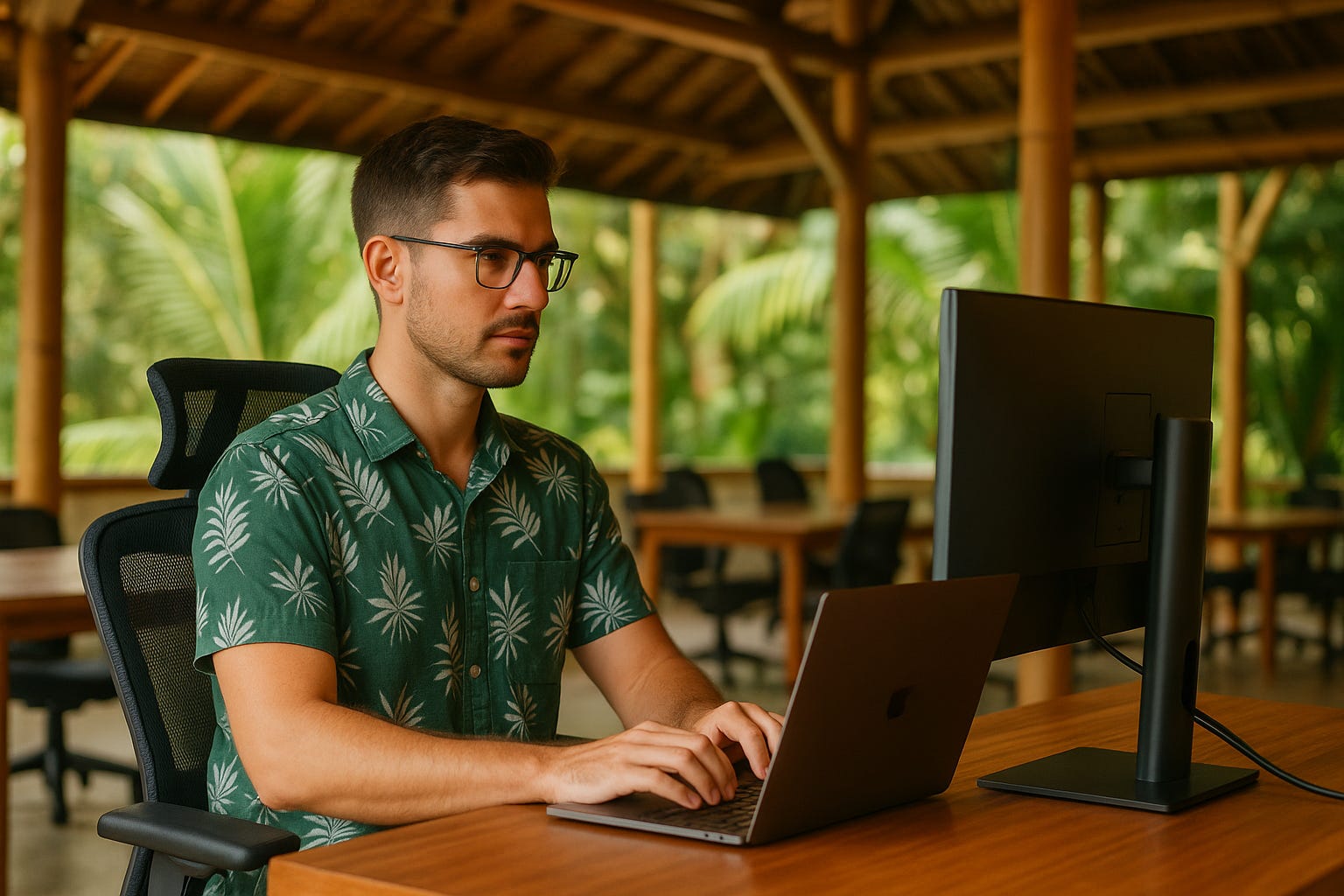
For many digital nomads I know, including myself, work becomes our only real responsibility while abroad. When we travel to live and work in other countries, we fortunately leave behind most daily chores, such as grocery shopping, cooking, washing dishes or clothes, running errands, cleaning the house, or repairing things, because we can usually find affordable services that handle those tasks for us. Our main focus becomes our work. The rest of your day is open for you to spend however you like.
That’s where the motivation comes from. Your tech job becomes the source of this upgraded lifestyle. Everything you enjoy is made possible by the European income you earn from it. You don’t want to lose that; in fact, quite the opposite, you want to be productive. You want to complete your projects, support your colleagues, and make both clients and managers happy, because your personal happiness directly depends on the quality of your work. That’s why I’ve seen so many digital nomads approach their jobs with such strong motivation.
I’ve been to tropical coworking spaces that were quiet as a tomb, yet felt like they had two completely different sides. I was even shocked at first, everyone was deeply focused, working hard, barely talking. I thought they just weren’t social. But later, at social events, I realized people were friendly, open, and eager to connect. It wasn’t that they were antisocial, but they simply were taking their work seriously. Honestly, I’ve never experienced such a productive atmosphere in any traditional office that I’ve been.
Now, I’m not saying everyone in your company should start digital nomading. Of course, some people can’t do it, others simply wouldn’t enjoy it, and human connection remains essential, particularly when it comes to teamwork and building strong relationships. Face-to-face interaction helps people bond and collaborate better. There’s no doubt about that. So, in my opinion, the key for any company is to find the right balance.
And by balance, I don’t mean a “three days in the office, two days at home” policy. That’s not the kind of remote work I’m talking about, it barely changes the work experience and fails to provide the real advantages of what I mentioned. I’m referring to allowing people to relocate for two or three months to experience a different lifestyle and explore different routines.
So what do you think? Could letting people work abroad for a couple of months a year make them happier and more motivated, or do you think it would cause more challenges than benefits? I’d love to hear your thoughts.
Reading Picks
Here are a few articles I found valuable in recent weeks: